Code, in the right hands, is not just a tool for building. It is a medium for asking questions. Across four projects developed in p5.js, I used creative coding to explore what happens when you hand a viewer agency over an artwork, a dataset, or a space.
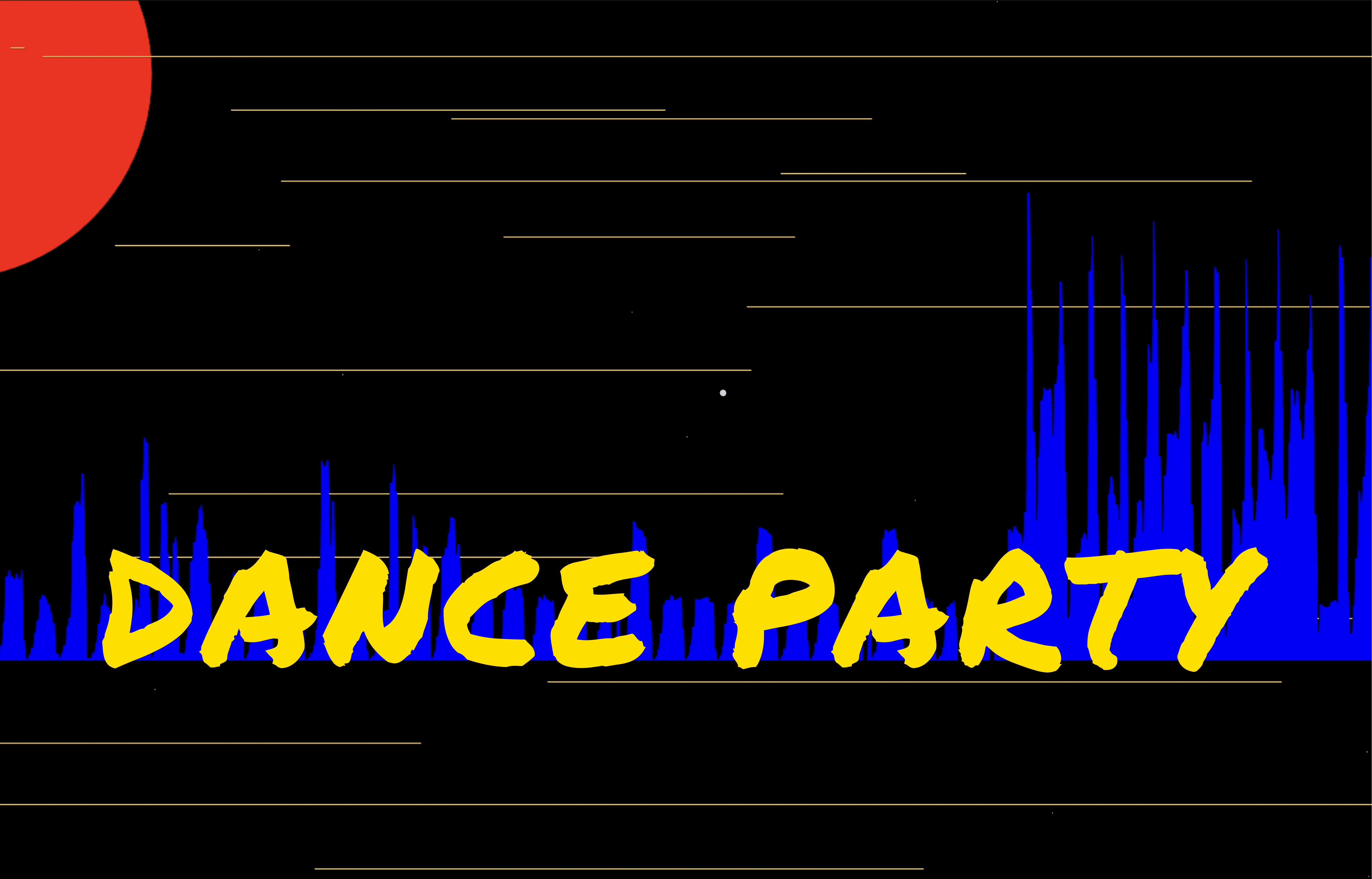
The first experiment was about the body in motion. Dance Party is an audio visualizer that translates sound into a cityscape: a blue waveform rises and falls against a dark ground, its peaks tracing the silhouette of a skyline. Among the lines of falling guests, a white dot moves through the crowd on loop. It is me, doing the only steps I know, over and over, in a room full of people. The sketch began as a technical exercise in audio visualization and became something more personal.
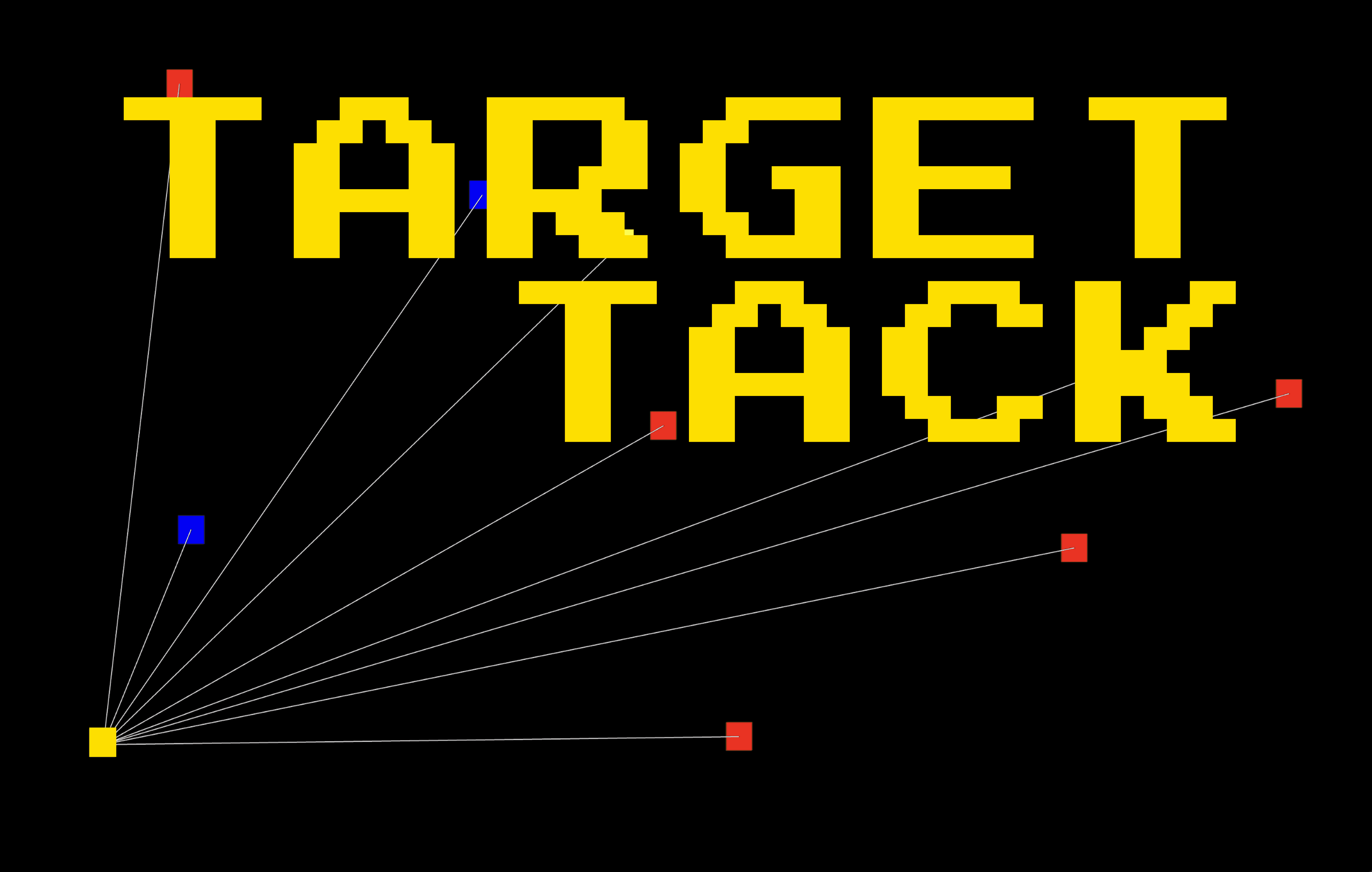
The second was about the body under pressure. Target Tack is a particle simulation game where blocks multiply across the screen and the only way to stop them is to click each one in time. Every click freezes a block in place and draws a line from the mouse to where it stopped. If you manage to catch them all, you are left with a web of lines: a record of the chase. The piece was conceived as a metaphor for managing a to-do list, but what it actually produces is a portrait of controlled chaos.
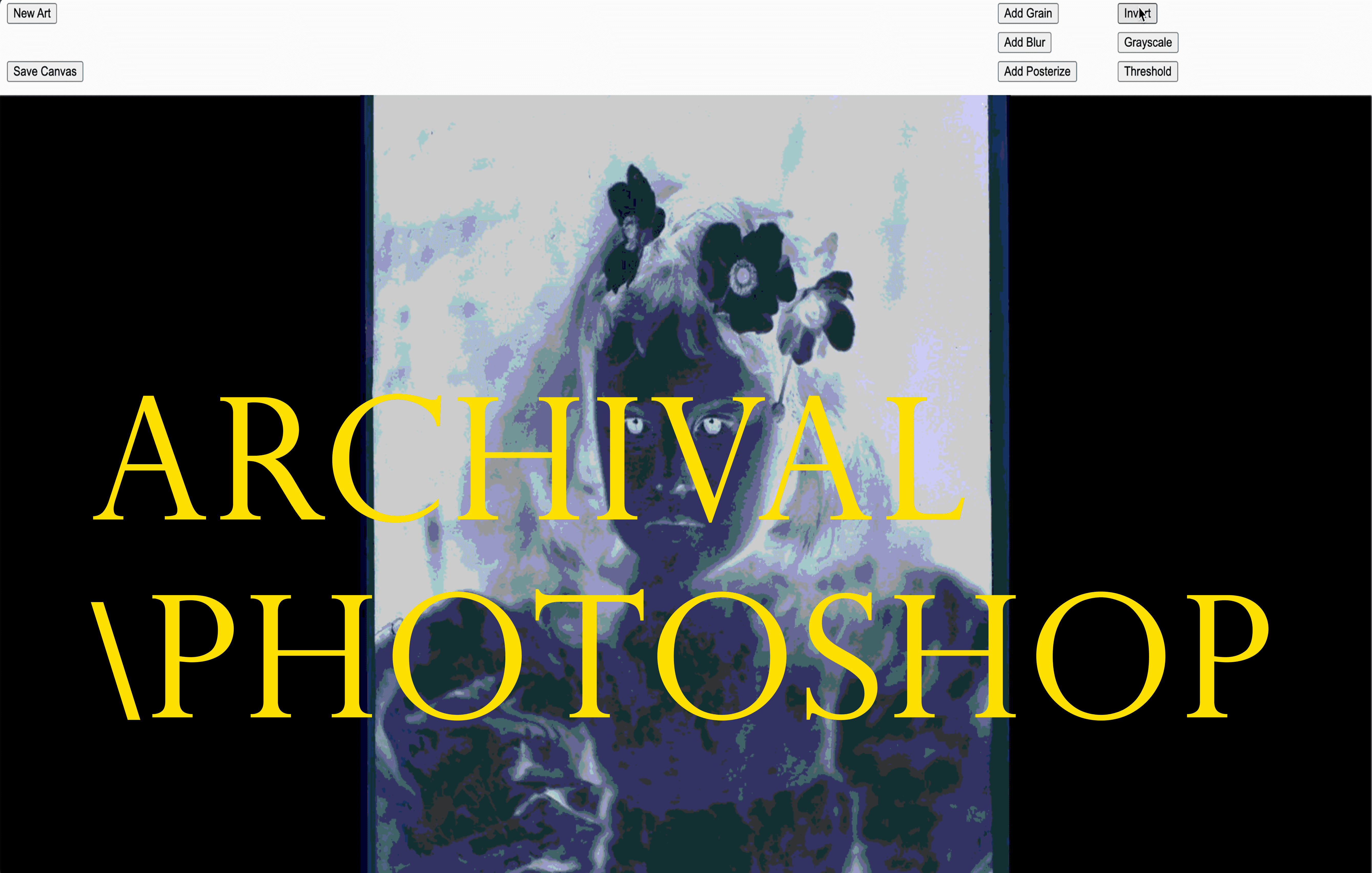
The third moved from the personal to the archival. Archival Photoshop uses the Harvard Art Museums API to pull works from the collection at random and hand them to the user to distort. Blur, grain, inversion, thresholding: the tools are familiar from image editing software, but applied here to centuries-old paintings and drawings. The effect is disorienting in the best way. The work invites you to ask what it means to touch something that was never meant to be touched.
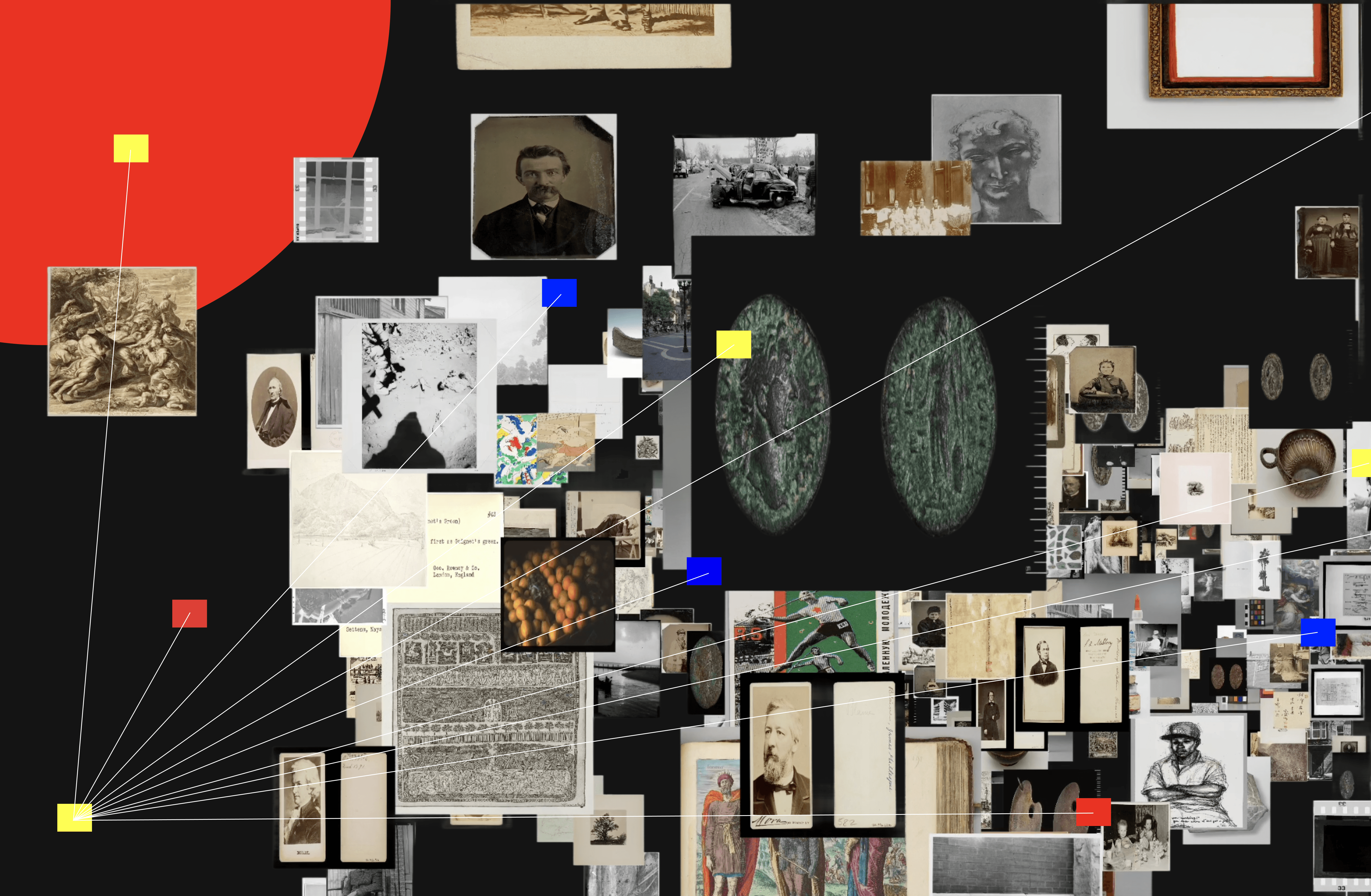
The fourth took that archive and put it in motion. Museum in Hyperloop builds a three-dimensional gallery space populated with images drawn from the same Harvard collection. Planes of artwork move through the space and the viewer moves with them, closer to the way Refik Anadol navigates data than the way you stand before a painting on a wall. The project began with a question: what if the museum was not a place you walked through, but a landscape you moved inside?
Taken together, these four projects map a consistent preoccupation: how does interactivity change the relationship between a viewer and a work? What does it mean to give someone a gesture, a click, a keypress, and ask them to make something with it?

Source:
Creative Coding
Creative Coding
Aug 2025
other news